
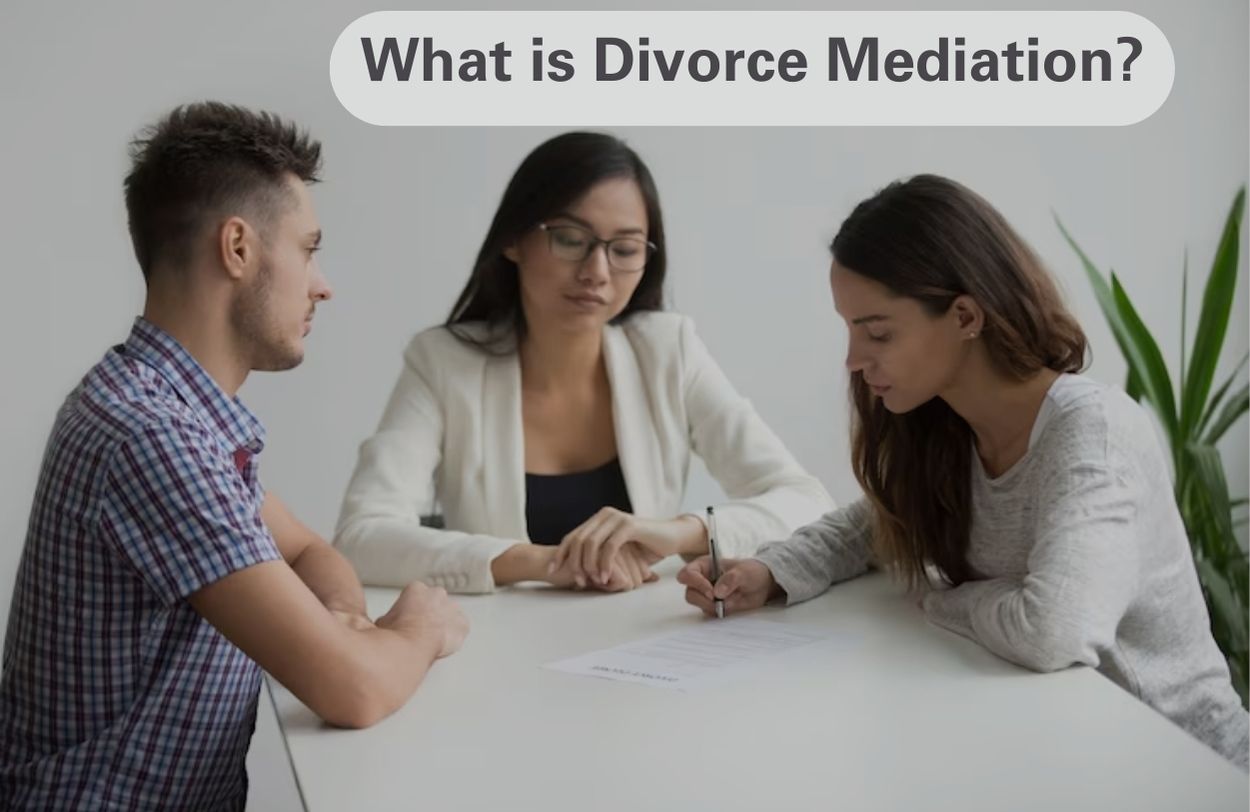
In mediation, you and your spouse work with a mediator
Online Divorce
Divorce smartly without a lawyer. Save yourself $10,000+.
A California couple filed a joint petition in January, expecting to be divorced by July. However, just reaching the six-month mark does not end their marriage. A judge must sign the final judgment to end the marriage.
The actual timeline has two parts. The first is the waiting period, which is six months. The second part is how long it takes the court to process the judgment.
This guide explains how the FL-700 under SB 1427 is similar to, and different from, the standard FL-100 process, and when your divorce becomes final.
Start your joint petition or uncontested divorce using the The Complete Divorce guided program to get your divorce done smartly and affordably.
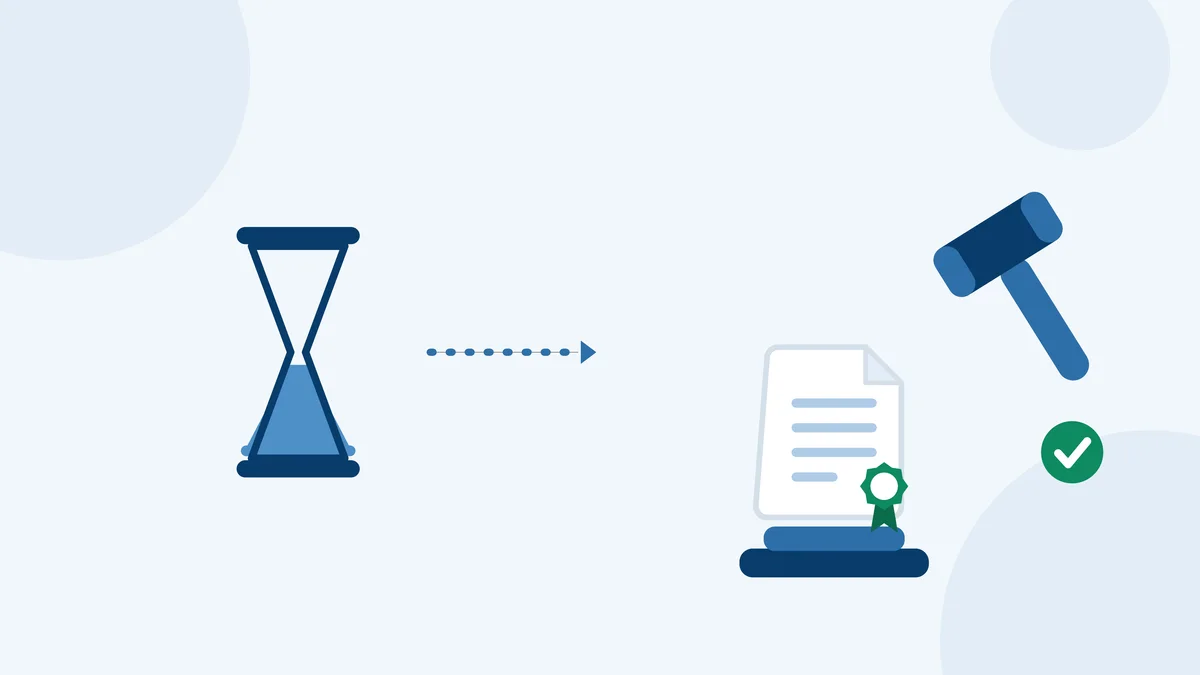
A California joint-petition divorce takes at least six months and one day from filing to be final. The six-month mandatory waiting period is found in Family Code §2339.
Filing Form FL-700 with SB 1427 immediately starts the six-month waiting period because the joint petition is considered service on both parties.
However, a judge must still sign the final judgment of dissolution, which finalizes the divorce.
The total time for how long a divorce takes in California generally runs from six to nine months, depending on how quickly the Superior Court of the county processes the paperwork. A court can extend the six-month waiting period for good cause.
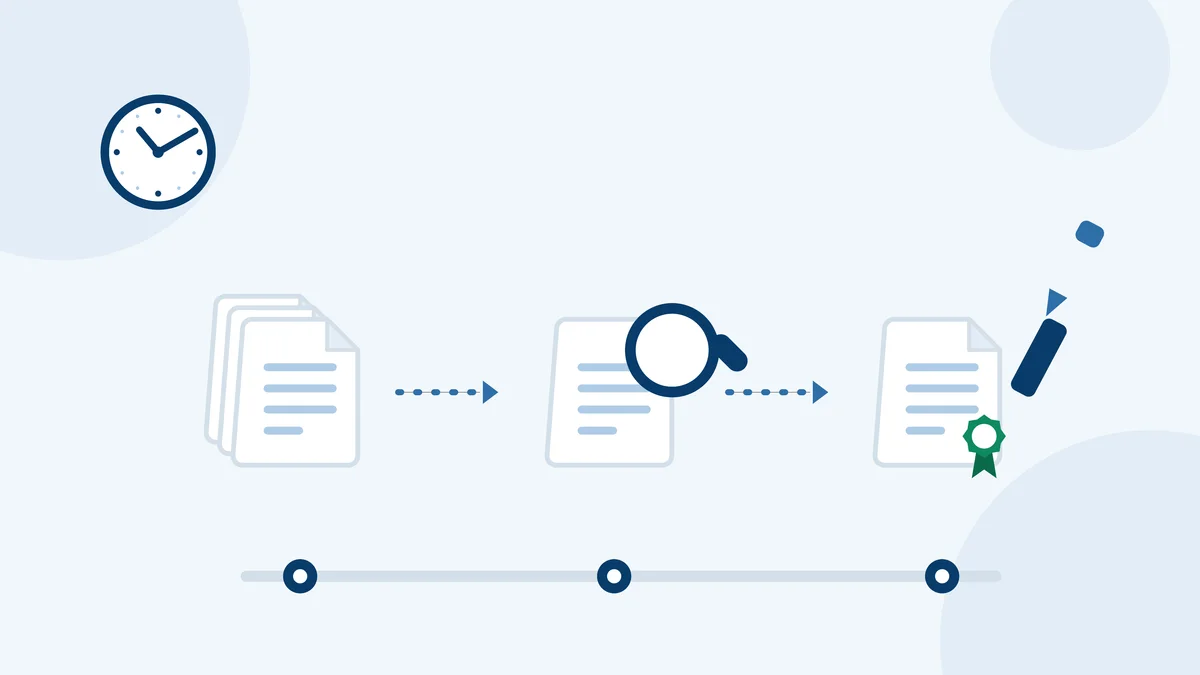
Getting a judge to sign the final documents is the last step in the divorce process. After the six-month waiting period, you must submit a judgment packet to the court.
Court staff review the packets, and a judicial officer then reviews and approves them. Although the review process is brief, it can still increase the time it takes to complete the divorce.
Reaching the six-month mark does not automatically grant a divorce. The court will not act on the divorce petition until the judgment is filed by someone.
This means both spouses must complete and file the FL-180 Judgment Form with the court for a judge’s signature, along with their marital settlement terms.
A judgment terminating marital status cannot occur prior to the end of the statutory waiting period, as stated in Family Code §2340. Unless judgment is filed, the court will not close the case and the parties remain legally married.
The court will review your judgment packet and have a judge sign the forms. A family law examiner or clerk checks that your forms are complete and correct.
If there are no issues, the packet is given to a judicial officer for approval.
Processing times vary by county. The California Courts website advises that judgment review can take a few weeks to a few months, depending on the court.
Busy Superior Courts will take longer. Contact the family law clerk for your case to learn more about how long judgment processing will take in your case.
A rejected judgment packet requires more paperwork and another court review. A few common problems include:
Which documents are required to correct and resubmit your judgment package depends on your situation. Check the court’s judgment correction packet before submitting.
The date a judge signs your judgment and the date your marriage legally ends are two different dates.
As stated in Family Code §2340, the judgment must state the effective date of termination of marital status. That date cannot be prior to the expiration of the six-month waiting period.
There are exceptions to this rule, however, as stated in Family Code §2343, in which spouses may agree to a later termination date and the court may approve it.
This is important to understand when coordinating the termination of your marriage for the purpose of remarriage or to end an insurance benefit.
In California, you cannot change your marital status until after the six-month waiting period. This date depends on how you file.
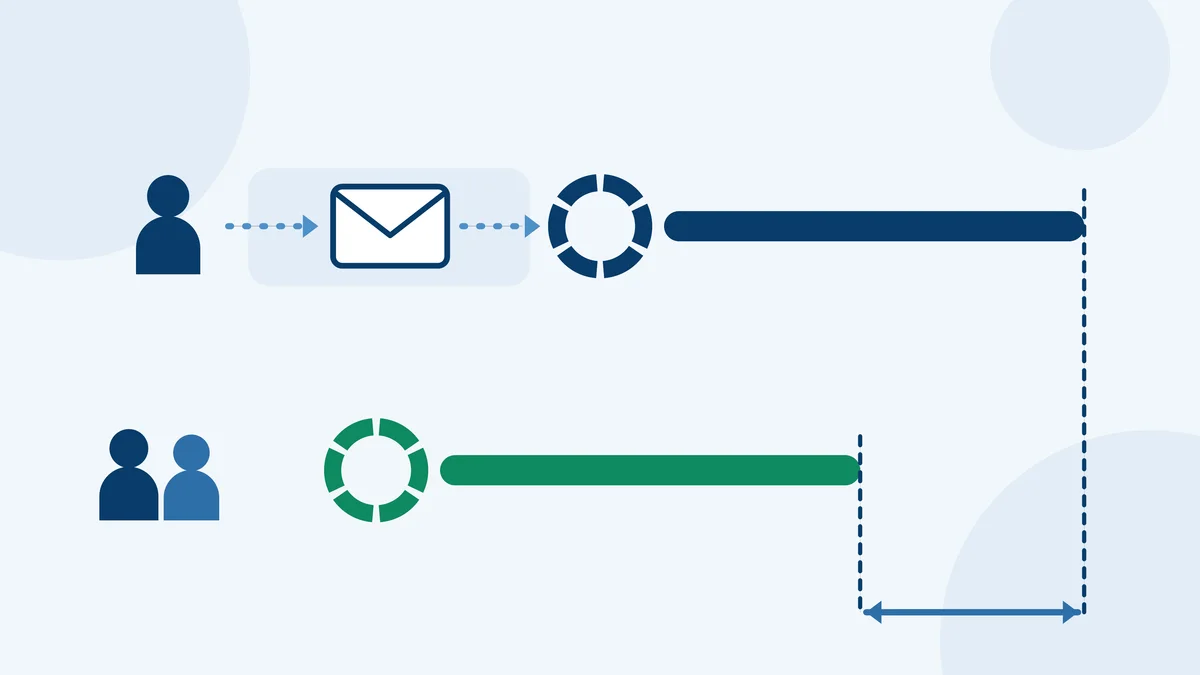
If you are doing a standard divorce, the six-month waiting period does not start until the other spouse, the respondent, is served or makes an appearance.
This is not the case for an FL-700 joint petition. With this joint petition, filing serves both spouses. Therefore, the separate service step is removed.
Family Code §2339 states there must be a waiting period of six months before a court can end a marriage. There are a few exceptions to this law.
A judge can order that the marriage not be terminated if one of the spouses can prove they are not mentally fit to make such a decision.
This order can only be extended if the court finds that there is clear and convincing evidence that it should be extended.
While you are waiting for the court to terminate your marriage, you are allowed to come to an agreement on other issues, including how to divide your property, spousal and child support, and child custody.
The six-month period begins when the respondent receives the summons and petition in a traditional California divorce.
It can also begin when the respondent makes an appearance in court. Because of this, delayed service can result in a longer divorce process. SB 1427 alters the process.
By contrast, the six-month period begins when the FL-700 Joint Petition and the required joint summons are filed by both spouses. According to Family Code §2331(b), the joint petition is considered served on both spouses.
Additionally, both spouses are considered to have made an appearance. Therefore, there is no separate service and the 30-day response period is eliminated.
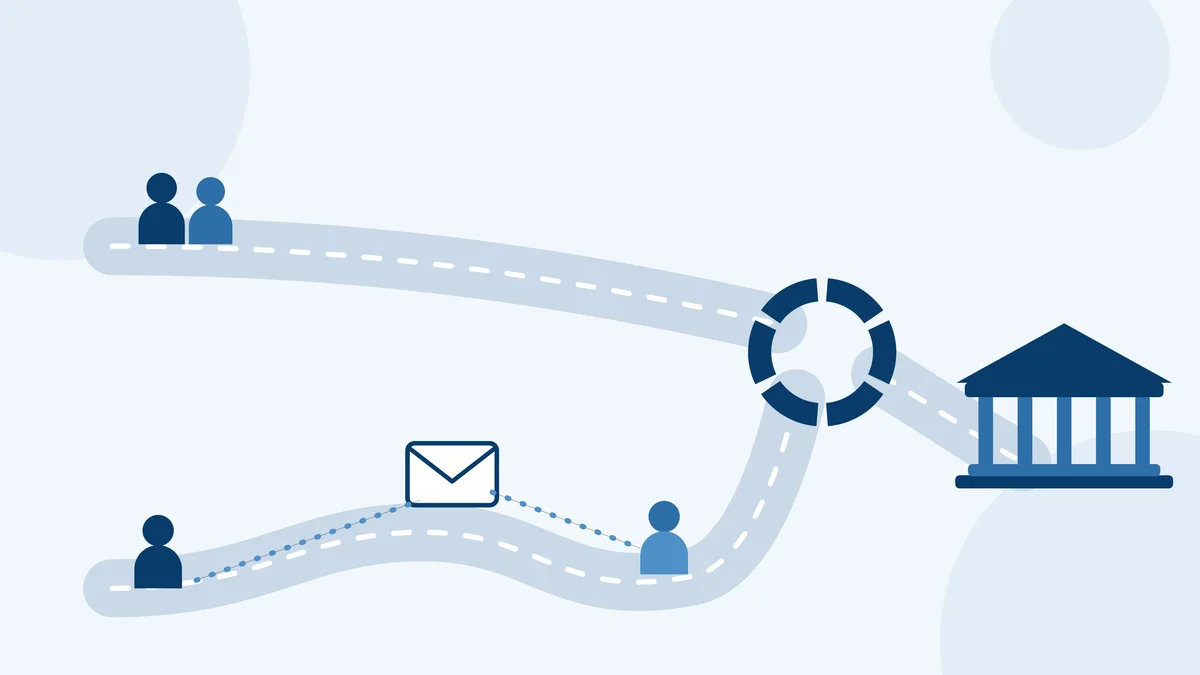
Both uncontested joint petition divorce and uncontested standard divorce follow the California six-month waiting period.
The difference is the timing of when the six-month waiting period begins. With the traditional FL-100 process, one spouse files the petition, serves the other, and waits for a response. Each of these steps adds time before the case moves forward.
With the FL-700 joint petition, there is no separate service and response step.
Both spouses file together, and the six-month waiting period begins at filing. They must also exchange financial disclosures and settlement terms, and submit the judgment for the court to approve.
| Stage | Standard uncontested divorce (FL-100) | Joint petition (FL-700) |
|---|---|---|
| Initial filing | One spouse files FL-100 and summons. | Both spouses file FL-700 together. |
| Service | The respondent must be served. | Filing counts as service on both spouses. |
| Response period | Respondents have 30 days to respond. | No separate response period. |
| Waiting period | Starts at service or the respondent’s first appearance, whichever comes first. | Starts on the filing date. |
| Financial disclosures | Both spouses exchange required disclosures. | Both spouses exchange required disclosures. |
| Judgment | Submit the completed judgment packet for approval. | Submit the completed judgment packet for approval. |
Note that the six-month minimum does not disappear when you file a joint petition. However, it does remove steps that delay the start of that period, especially the service phase.
This way, couples who cooperate can reach their termination date faster than they would on the traditional route.
The process for a standard uncontested divorce begins when one spouse files an FL-100 and FL-110. The filing spouse is the petitioner. The petitioner must have the other spouse served by a process server. That spouse is the respondent. The six-month waiting period begins on the day that service occurs or the first day that the respondent appears, whichever occurs first.
During the waiting period, the spouses negotiate the settlement. They also complete financial disclosure forms (FL-142). For the entire divorce timeline, a cooperative case takes six to eight months on average. However, delays extend the process, pushing the finalization date further back.
Both spouses initiate the case by signing and filing the FL-700 with the joint summons and FL-710. If they have children under 18, they also file an FL-105. The filing serves both spouses, and the six-month waiting period begins.
Within 60 days, both spouses must complete and serve financial disclosures (FL-140, FL-150 and FL-142 or FL-160). They then complete their settlement agreement and judgment package.
When the waiting period ends, they bring the judgment package to the court for the judge to review and sign.
Note: a temporary restraining order included in the joint summons becomes immediately binding on the spouses once filed. The summons restricts both spouses until the judge signs the judgment.
As previously mentioned, the joint petition eliminates the requirements for separate service and a 30-day response period for the respondent.
Instead, the six-month period begins to run upon filing the joint petition. Therefore, the joint petition speeds up the divorce process compared to traditional divorce.
The joint petition, like the individual petitions, ultimately requires financial disclosures, a settlement, and a judgment.
The joint petition does not in any way shorten the six-month period. Because the court’s processing time and other delays associated with the judgment packet are beyond the control of the parties, the joint petition does not guarantee that a divorce is granted within six months.
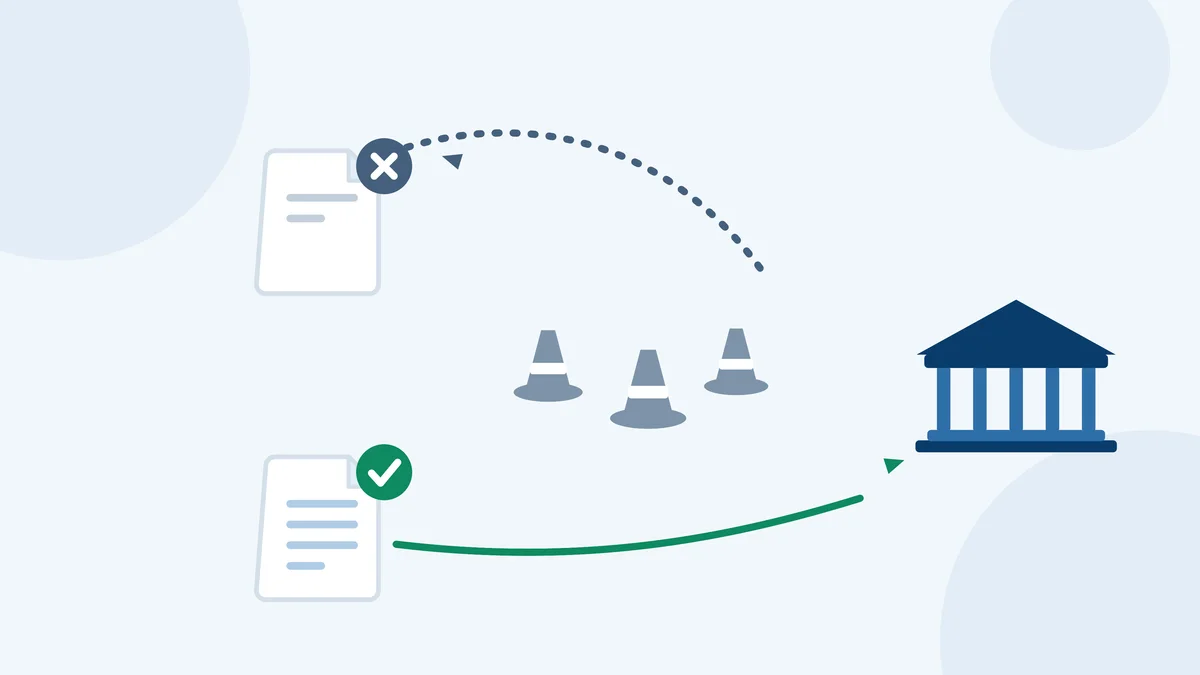
The majority of joint-petition delays stem from incomplete or untimely paperwork. Look over the following before you file:
Review the required California divorce forms before filing.
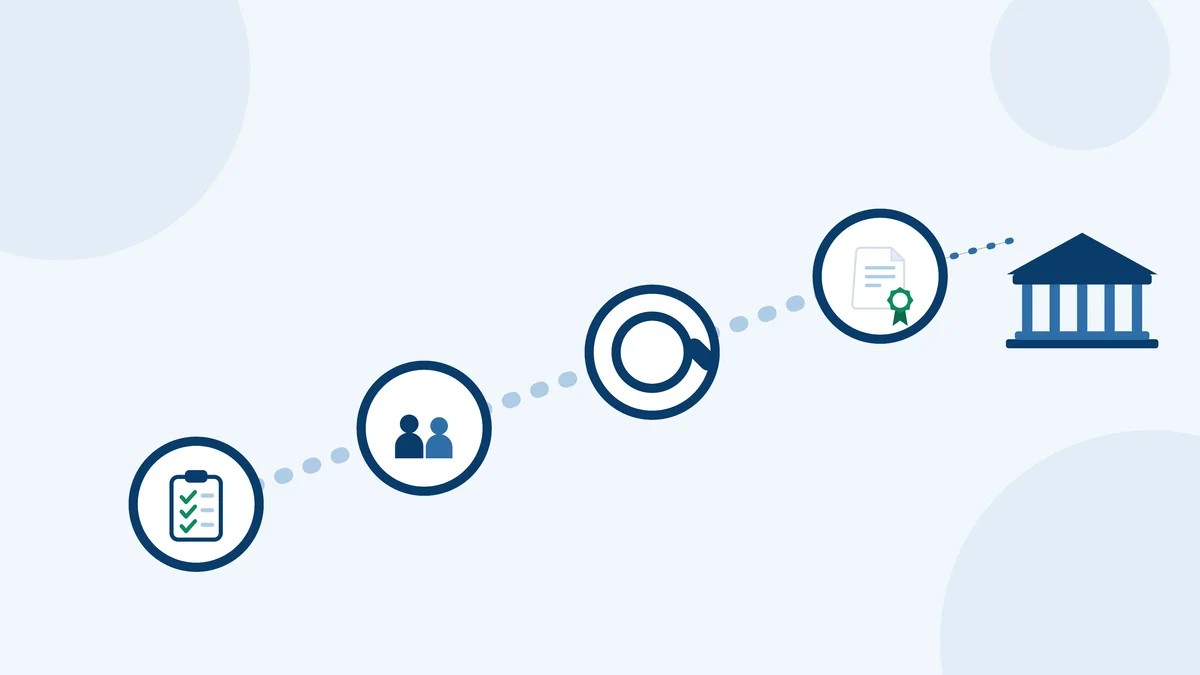
The Complete Divorce offers a process for amicable couples in California to complete their joint petition for divorce, from the initial eligibility check to the preparation of their final judgment.
The service helps couples complete all the required forms and disclosures, and provides assistance with settlement.
The process does not expedite the six-month wait. It is designed to reduce delays to the final judgment caused by missed deadlines, incomplete forms, or rejected judgment packets.
Clients begin the process by confirming their eligibility to file for divorce. Spouses must have been living in the state of California for at least six months and in the filing county for at least three months. Spouses must also have come to an agreement regarding the terms of their divorce.
If the spouses are eligible to file for divorce, the next step within 60 days is to complete the financial disclosures in the FL-140, FL-150 and FL-142.
Once the six-month waiting period has ended, spouses should then complete and file the judgment (FL-180).
If cooperation breaks down, a spouse can use the FL-720 to revoke consent and withdraw from the joint petition.
The Complete Divorce offers an AI-based program to help spouses complete divorce documents. The cost is $49.99 per month, with the ability to cancel the subscription at any time.
The program offers county-specific documents. The subscription also includes video tutorials and bi-weekly webinars.
Spouses also have the opportunity to have an expert review their documents to help catch mistakes before the documents are sent to court. This can reduce the chances of the court documents being rejected.
Court documents being rejected is common and can happen for a variety of reasons. Take the safe route with The Complete Divorce today.
The Complete Divorce is $49.99 a month and can be cancelled at any time. This is entirely separate from the one-time court filing fee of approximately $435 to $450, which can be waived if you qualify.
The subscription covers guided preparation and expert review. With The Complete Divorce, many couples are able to keep their divorce proceedings out of court and avoid being rejected for procedural reasons. By doing this, couples are often able to finalize their divorce in about six to seven months.
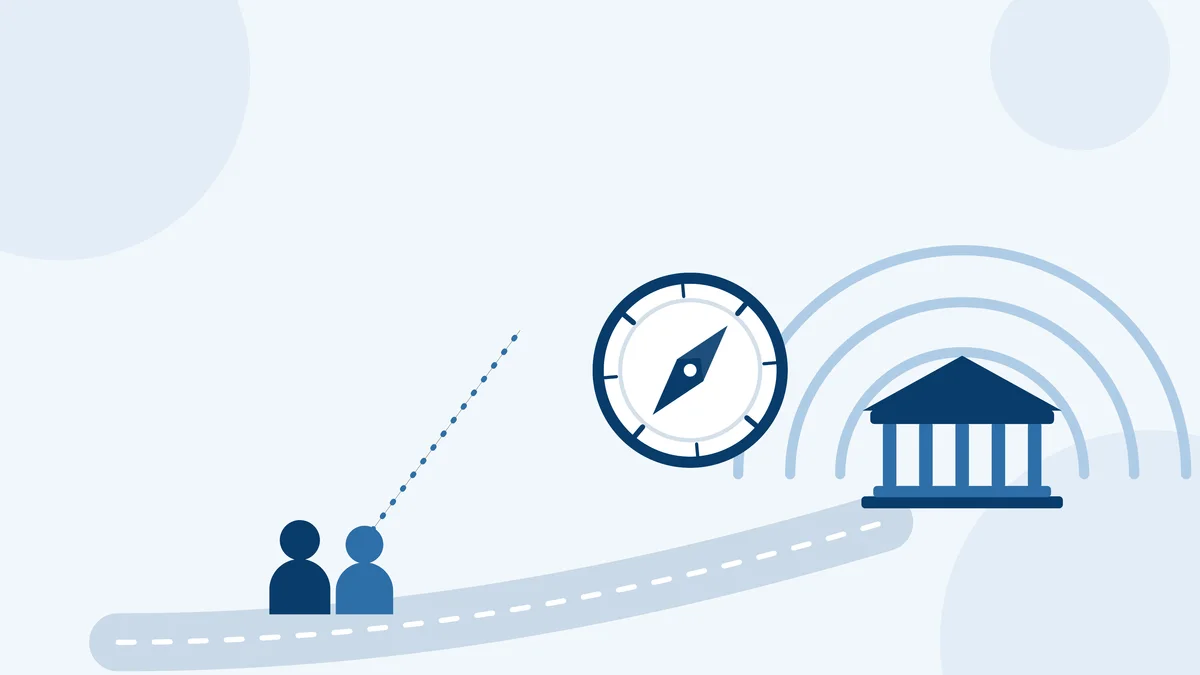
From the start of the joint petition, you have six months to complete the divorce process. This assumes all other documents are processed and submitted in a timely manner, and that the judgment is submitted to the court for the signature of the judge.
Ready to file an FL-700 to start the divorce process? Subscribe to The Complete Divorce for $49.99 a month to receive expert review of your documents.

Divorce Attorney — Mediator & Founder of The Complete Divorce
“Hi. I’m Dina Haddad, a divorce attorney-mediator here in California. I’m so tired of couples not having a process that’s easy to complete their divorce. They are getting lost, wasting time and money, and beyond frustrated with their results.
That’s why I created The Complete Divorce, California’s premier online divorce program. I took my successful mediation practice and condensed it into an affordable and winning program.”
Usually between six and nine months from the time you file. However, court processes can add more time to it.
No. After the six-month period, the divorce must be certified by a court judgment.
This takes some time as it is court-process dependent, but it is usually within a few weeks.
No. Joint petitions simply save time by eliminating the need for one spouse to serve the other. However, the six months still apply.
This starts the day both spouses file the FL-700 joint petition. SB 1427 considers both spouses to have been served when the joint petition is filed.
California premier divorce program.
Making California divorce simple and lawyer-free.
 ⭐⭐⭐⭐⭐
more than 2,000 California couples helped
In mediation, you and your spouse work with a mediator
In California, ending a marriage doesn’t have to mean conflict,

Community and Separate Property in a California divorce can pose