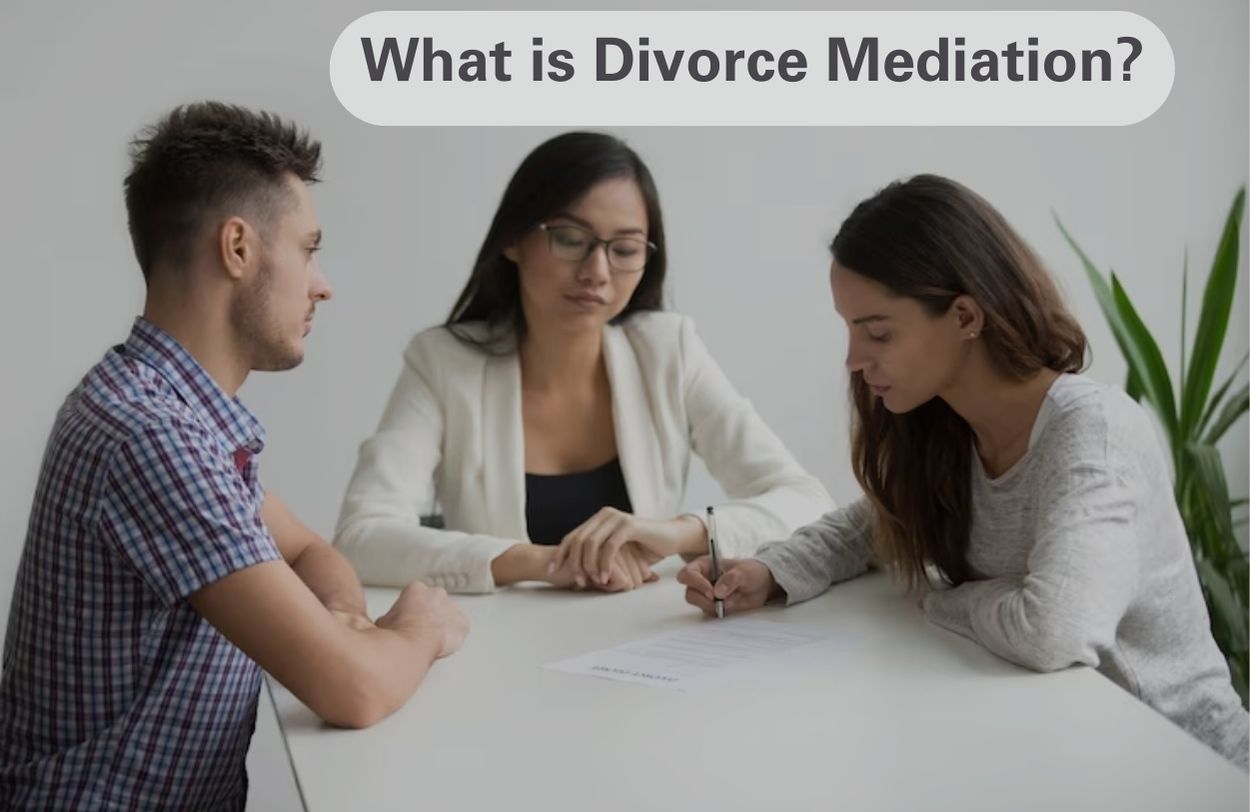
Online Divorce
Divorce smartly without a lawyer. Save yourself $10,000+.
- 100% Legit Divorce Program
How Do I Tell My Spouse I Want a Divorce?
How you tell your partner “I want a divorce” can shape how the entire divorce process might go. You have to consider the timing, setting, and wording of the conversation to minimize a hostile reaction and instead, facilitate cooperation if you want to seek uncontested divorce.
Although difficult to do at that outset, handling the divorce conversation with empathy and understanding pays dividends during the divorce process. Couples who can work together through the divorce will do far better than those who do not.
Often, the party that desires a divorce will be anxious to spill the beans or rip the bandaid. However, take time to consider the other’s reaction, the manner in which you will share your decision, and the time and day you choose to do so.
Rushing the discussion can cause anxiety, confusion and the rush to retain attorneys. If there was hope for an amicable divorce, the initial conversation ambushed it.
A thoughtful approach gives the parties an opportunity to discuss the reasons for divorce and their next steps in a safe and healthy manner.
If the leading party is unable to do so, consider working in a couples therapy session to have this difficult conversation.
When you are ready to move forward with your divorce, The Complete Divorce offers amicable couples a way to begin the process efficiently with our easy to use online tools. Subscribe and start your divorce for only $49.99/mo today.
Start your FL-100 Petition. Our software is easy to use – led by California divorce attorney, Dina Haddad.
These two answers rebuild the rest of the interview. Whole sections appear or disappear — you'll never be asked something that doesn't apply to you.
Every answer saves the moment you type it. Close the tab, come back next week, land on the same question.
These two answers tick the case type and the residency box on page 1 of FL-100. Next come your dates.
The date of separation is when you decided to no longer be married (both by words and actions).
The date of separation must be after the date of marriage.
These five answers fill page 1 of FL-100 — the case type, the residency box, both dates and the children box. Print the form from the panel on the right and they are already on it.
Building your FL-100…
Warning
To file for divorce in California, at least one spouse must have lived in the state for six months and in the county where filing for at least three months to file for divorce. This doesn't apply to legal separation. Consider changing your response.
Strategic Timing is Key When Asking for Divorce
The timing of when you inform your spouse that you wish to get divorced must be carefully considered. In fact, it could be the singular most important decision in your divorce.
It can set the stage for a cooperative and open divorce process. Although one party may not want the divorce, the timing of this conversation can show respect, understanding and patience.
Communication about your desire to divorce early on may be a win for most parties; however, it is not always the safest option if you are in a domestic violence situation or have concerns regarding financial negligence.
Therefore, prior to initiating the divorce process, you should consider your overall financial position, mental health, and your domestic situation. Learn more about types of divorce so that you can ask for divorce accordingly.
When should you tell your spouse?
You should only communicate your intention to end the marriage once you have concluded that your marriage has ended.
You do not need to propose how your assets will be divided or what the custody arrangement will be. These items can wait. Starting this conversation can quickly derail your intentions of having a solid first conversation about desiring a divorce.
You should select a calm and private setting. Do not initiate the conversation at a birthday, holiday, anniversary, or at any event that can cause tension and increased conflict due to its emotional charge.
You also do not want to have the conversation at night when you are tired or do not have enough time to complete the discussion. If you have children, be mindful of where they are and that they are preoccupied or with someone else. Learn how to file for divorce by yourself after you’ve asked for divorce in California.
When should you NOT tell your spouse?
Do not initiate the conversation about divorcing your spouse if there is a history of abuse, intimidation, threats, etc. Prioritize your personal safety by taking quiet legal action prior to revealing plans for a divorce.
Additionally, you may be required to file first if there is a possibility that your spouse will flee the state with the minor children prior to the court gaining jurisdiction.
Lastly, consider protecting all financial documents if there is a high likelihood that your spouse will hide income or assets before entering negotiations for a marital settlement agreement.
How do I say “I want a Divorce in California?”
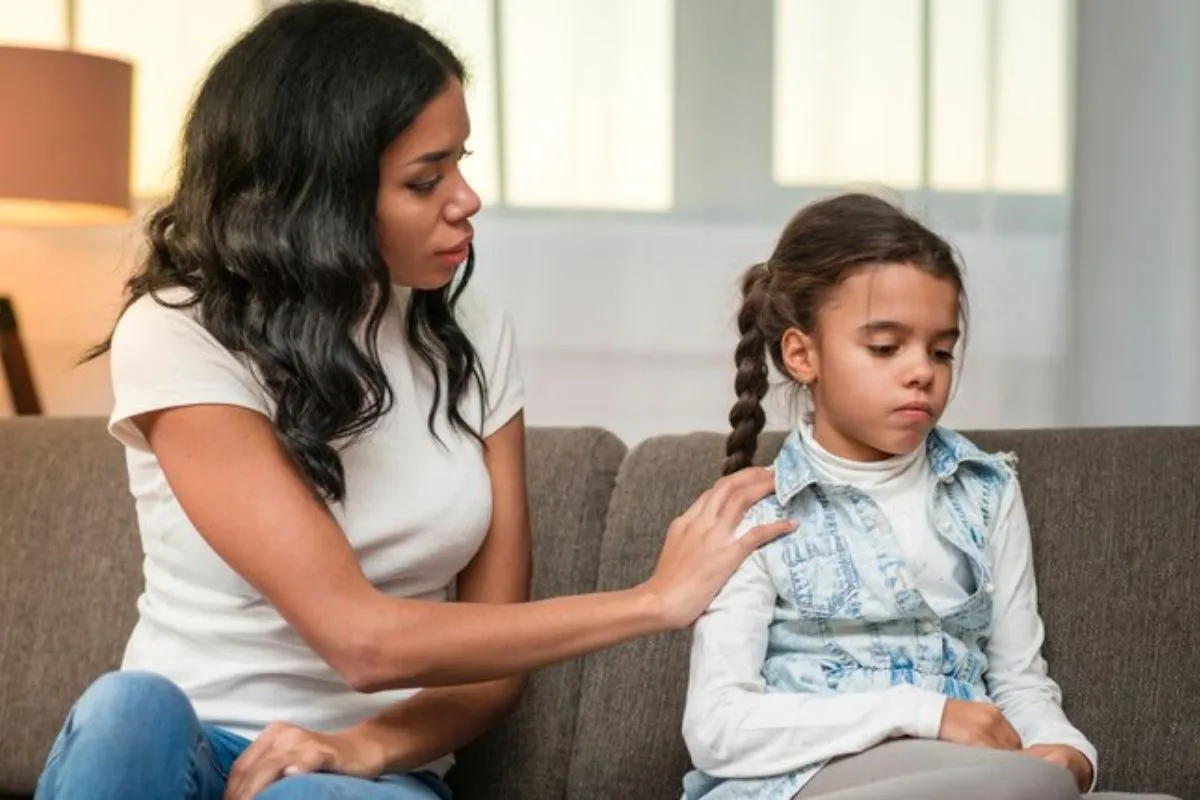
Preparation will dictate what happens with the “I want a divorce” conversation. Without preparation, feelings tend to overwhelm both spouses very quickly and can lead to litigation rather than settlement.
Preparation will help you reach a cooperative and/or uncontested divorce process as opposed to a highly contested one. Learn more about how uncontested divorce differs from contested.
1. Securing digital and financial access
Before starting your “decision” conversation, make sure you have secured access to all necessary digital assets (email addresses, passwords, etc.) and financial information.
Separate as much money as you reasonably need to get through your first few weeks after separating.
This way, you will be able to complete an online divorce regardless of whether your ex-spouse restricts your use of the common account(s), file(s), or other methods of communication.
2. Selecting a private and controlled environment
Find a place where you can speak privately, free from distractions and interruptions. For many low-conflict couples, having the conversation at home works well;
However, for some high-conflict couples, a quiet public space may provide enough control over their emotions to allow for a safe and effective conversation about ending their marriage.
3. Ensuring a child-free environment
The children should not be present when either parent tells the other that he/she wants a divorce. Make arrangements to keep them away so that they are shielded from the emotional fallout of the first conversation.
Keeping the conversation separate from the children is an important first step towards good co-parenting and a smoother transition for everyone involved
4. Scripting your exact “Decision Statement”
You must clearly say what it is you have decided to do. Saying something like, “I have made up my mind. I want a divorce,” makes things clear.
When someone uses soft or unclear language, it creates false hopes and encourages argument over the reasons why they want a divorce.
Argument leads to debate, which increases the chances of conflict and reduces the chances of moving forward with the uncontested divorce process.
5. Limiting verbal explanations and justifications
Do not go into detail about every grievance or point that led you to decide to get divorced. The same issues and debates you had before having this divorce conversation will come back around again and create even more tension.
Focus on the future and what needs to happen to move your uncontested divorce process along smoothly.
6. Planning for emotional neutrality
Use neutral emotions and respond in a calm manner during the entire conversation. Do not react to anger, blame or increased emotion as it may turn the conversation into a conflict before filing other divorce papers (such as FL-100). Neither of you will need to win this argument legally. Divorce is no-fault. In other words, you do not need a reason for a divorce.
7. Mapping an immediate physical exit strategy
Determine your destination when this conversation is over.
If that is exiting the room, the house, or just finding temporary accommodations outside of your current location, both parties need time to reflect on what has been said before tackling issues like future arrangements and a marital settlement agreement.
Read More: How to file for divorce without a Lawyer
Different Scenarios and Telling Spouse about Divorce
Scenario 1: Telling an amicable partner
If you are telling a partner who is not hostile, angry, or violent, have this conversation as respectfully and directly as you can. It’s very likely this is not the first discussion about divorce, but likely the one in which you are the most certain.
For that reason, be very specific that the marriage will end, but that you will continue to work together or if possible, maintain a friendship.. Avoid confusing the two concepts. Clarity eliminates confusion. It also allows your partner to feel respected, encouraging cooperation.
Emphasize the advantages of working cooperatively to achieve an uncontested divorce in California. Consider focusing on specifics of what will happen after you tell your spouse, such as how you will divide the house, how you will schedule time with the kids, and how you will divide the assets. Learn more about divorce vs legal separation.
Scenario 2: Telling a narcissistic or high-conflict partner
When dealing with a high-conflict situation, focus first on preparing yourself before you communicate.
Prepare to protect your financial well-being (have access to money), prepare to protect your documentation and records (keep copies of all documentation in a safe location), and prepare to protect yourself (if necessary, arrange alternative housing).
Consider using the “NO JADE” method when communicating with a narcissist/high-conflict person. This means do not justify, argue, defend, or explain why you want a divorce.
Instead, make sure your message is concise, calm, and direct. In some cases, you may need to write your spouse a letter or formally serve them with papers so they cannot become aggressive or abusive during the process.
Mistakes to Avoid When Telling Your Spouse You Want a Divorce
Divorce conversation errors typically lead to increased defensive behavior, intensify conflicts, and convert what is supposed to be a straightforward separation into a contentious legal process that also increases the cost of divorce and divorce timeline.
The 4 common pitfalls that increase conflict
- Do not announce the divorce during an argument: In many cases, arguments/confrontations are emotionally charged, which often leaves each party very defensive about their actions and behaviors. This will negatively affect the couple’s ability to work together cooperatively to resolve their issues.
- Avoid blaming and focussing on past mistakes. As long as you focus on your spouse’s past mistakes and errors, there is little likelihood of creating a positive communication environment. Your conversation will likely become a fight rather than a way to resolve issues.
- Avoid vague language: Avoid using uncertain phrases such as “maybe” or “I think” as it causes confusion when making decisions. State your position clearly so that neither person has any misunderstanding.
- Negotiate mindfully: Do not immediately start negotiating about money, property, bank accounts, etc. Immediately starting negotiations over financial issues will likely create resentment and mistrust from the outset.
After Telling Spouse: Way Forward?
After the conversation happens, attention will shift to ensuring the legal process runs as smoothly and quickly as possible for amicable couples.
The Complete Divorce offers a low-cost, uncontested divorce service in California that eliminates costly hourly billing by attorneys and helps move the divorce process along faster than traditional litigation.
Both parties will use a structured system to handle all aspects of their own filing, while having access to guidance throughout the process.
This eliminates the need for attorney-driven litigation and reduces the risk of filed papers being rejected due to incorrect completion. The filing process begins with an initial petition and ends with a marital settlement agreement.
If both parties agree on all important aspects of the divorce, the case can usually be resolved using an online divorce process. Amicable couples who do not disagree on most issues will rarely find it necessary to visit a law firm or engage in unnecessary court disputes.
Take Control of Your Divorce
Once you have told your partner that you want to get divorced, the next important task is to manage the legal process effectively.
Without a well-planned approach, divorce cases are often financially costly and emotionally stressful for both parties involved. In most cases, if both spouses remain cooperative, they can divorce without an attorney or use the summary dissolution process.
A structured marital settlement agreement helps both parties organize what they have agreed upon and finalize their divorce in a more controlled environment, private, and efficient manner.
The Complete Divorce empowers parties to take control of their divorce. With our fully guided divorce, you can be able to complete your entire divorce without a lawyer and court appearances. Start your divorce today and move forward with confidence.

Written By:
Dina Haddad
Divorce Attorney — Mediator & Founder of The Complete Divorce
“Hi. I’m Dina Haddad, a divorce attorney-mediator here in California. I’m so tired of couples not having a process that’s easy to complete their divorce. They are getting lost, wasting time and money, and beyond frustrated with their results.
That’s why I created The Complete Divorce, California’s premier online divorce program. I took my successful mediation practice and condensed it into an affordable and winning program.”
FAQ — How to Tell Spouse I Want a Divorce
Q. Should I tell my spouse I want a divorce before filing?
Yes, if you have a mutually beneficial and safe relationship. However, if you’re experiencing domestic violence or have significant assets/finances that could impact your ability to file initially, it may be safer to collect information and file prior to informing your spouse.
Q. What is the first thing to do when you want a divorce in California?
This depends on your relationship with your spouse. For some, they may want to understand how the divorce process starts by becoming familiar with the court’s online divorce system, then discuss divorce options with your spouse.
Q. How do I tell my spouse I want a divorce when they don’t?
You should clearly and respectfully express your intentions. As per California Courts guidelines, you do not require your spouse to consent to end a marriage in California.
Q. Can my spouse stop the divorce if I file?
No. California is considered a “no-fault” divorce state. If one party wishes to end their marital relationship, the divorce will occur regardless of whether the other party consents to the same.
Q. Is it better to be the one who files for divorce first?
At times, yes. But for most cases, it will not matter. For those that do, by filing first, you establish a time frame for how long each party has to respond, and you’ll be designated the Plaintiff/Petitioner if this becomes a contested divorce.
Q. How can I get a divorce without a lawyer if my spouse agrees?
If you both agree upon all issues, you can go through an uncontested divorce via a guided online system such as The Complete Divorce rather than separately employing two attorneys.
California premier divorce program.
Making California divorce simple and lawyer-free.
- Filing & Review Support
- 1-on-1 Divorce Meeting
- Child support calculations
- MSA Filing Support
 ⭐⭐⭐⭐⭐
⭐⭐⭐⭐⭐
2000+ divorced without a lawyer.